01
Connect
Incomer and feeder meters · BAS / SCADA export · occupancy / dispatch / line state · shift calendar · UPCL bill (MD + ToD)
 Stamped Energy
Stamped Energy
Stamped Energy
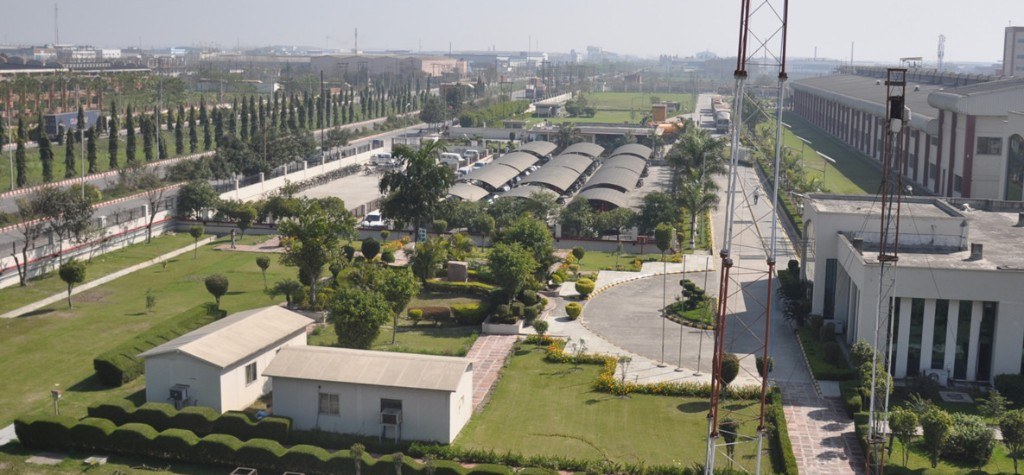
Nestlé Pantnagar
Culinary plant · warehouses · SIDCUL · Technical brief
Stamped Intelligence
Stamped turns meters, BAS, shift data, and UPCL bills into rupee-scored prescriptions: what to do, who owns it, the rupee benefit, and the evidence. Industry Energy Management and Asset Health Intelligence on the stack you already run.
Rupee-scored prescriptions with owners and evidence. Energy and asset health in one loop.
Works alongside NEE / E&AMES. Read-only. No PLC or setpoint writes. Operators stay in control.
stamped.work
The question after monitoring
Pantnagar already has Nestlé Engineering Excellence, E&AMES, meters, FSSC, and warehouse plus hall HVAC. We are not rebuilding that. This brief shows how a signal becomes a ranked next step someone can run: energy cost and asset health, before any commitment.
Not more dashboards. A ranked next step someone can actually run.
Decision and closure
Less time debating what the chart means. More time running the action and checking the curve or the UPCL bill.
Read-only on the existing plant stack
Incomer and feeder meters · BAS / SCADA export · occupancy / dispatch / line state · shift calendar · UPCL bill (MD + ToD)
→Line up signals in time: consumer → feeder → warehouse / production block → utility → asset.
→Energy models flag MD, idle, and ToD windows. Asset-health models flag drift against each machine's own baseline.
→Each finding becomes a prescription: what to do, why, who owns it, effort, expected impact, and timing.
→Compare the post-action signal to the locked baseline. Track completed vs skipped vs blocked, and what actually landed.
→Read-only OT · Existing systems remain systems of record · No automatic setpoint changes
Pillar 1 · Industry Energy Management
Most plants react when the bill lands. We watch demand, idle loads, HVAC, and UPCL ToD through the month, and call out moves that are realistic for production and storage specs.
MD, idle, HVAC, and ToD moves tied to the shift plan, not only end-of-month firefighting.
When the schedule allows, stagger heavy starts so warehouse cooling, process heat-up, and packer air do not stack demand in one window.
Call out warehouse cooling on full duty after dispatch, hall HVAC through empty windows, and compressors unloading off-shift.
Move flexible warehouse and utility work into cheaper ToD or lower-MD shoulders when production release and dispatch can still deliver.
Catch PF drift, wide pressure or temperature bands, and repeat MD hits before they show up on the UPCL bill.
Examples at Pantnagar: warehouse idle · hall HVAC vs CIP · demand overlap · compressed-air unload · UPCL ToD / demand (~480 rupees/kVA class, illustrative tariff context)
Production, quality, storage specs, and safety stay first. If a lower-energy option breaks release timing or warehouse humidity, we do not push it.
Pillar 2 · Asset Health Intelligence
The same stack that finds bill waste also flags equipment issues early. Compressors, chillers, fans, and pumps are judged against their own normal, not a plant-wide average, so drift shows up before trips and waste compound.
Per-asset baselines. Early warnings with owners, not another ignored alert.
Learns the operating band by time, shift, occupancy / dispatch state, and comparable load.
Flags sustained changes in fan duty, filter load, specific power, startup shape, or chiller approach.
Separates production- or weather-driven change from a likely equipment or operating issue, ranked by cost.
Routes inspect, clean, or tune to utilities or maintenance, then checks whether the curve recovered.
Earlier than a fixed alarm threshold. Not a CMMS or full vibration PdM claim. We do not claim bearing life or RUL without the right condition-monitoring data.
Example prescriptions · Both pillars
Card 1 is Industry Energy Management (idle HVAC). Card 2 is Asset Health Intelligence (compressor drift). The same loop also covers MD / ToD stagger, chiller approach, and pump recirculation.
How a finding becomes the next-best plant decision
We flag energy windows (MD, idle, ToD) and asset drift, then add shift state, storage-spec, and production constraints, and draft an action the right person can run. Operators review every prescription and stay in control.
Findings get context and a feasible owner, not a raw alert.
Baseline, drift, attribution, and tariff logic produce a structured finding with evidence and confidence.
Read warehouse occupancy / dispatch, production shift state, UPCL ToD, asset relationships, and approved operating knowledge.
Draft what to change or inspect, expected impact, owner, effort, and how you will verify it.
If the first option clashes with storage-spec or production release, suggest the next feasible window instead of sending something unusable.
Followed, deferred, and blocked actions improve ranking and plant preferences with human review.
Grounded in plant data and approved operating knowledge. Not a generic chatbot, and no autonomous setpoint writes.
Warehouse cooling idle was suggested for Tuesday night, but humidity was already at the top of the allowed range. Stamped flags that and proposes Thursday 2-4 am instead, after the next inbound clears and humidity has headroom.
Getting the action to the right person
At a Pantnagar-scale culinary site, one energy or asset-health finding often crosses utilities, warehouse stores, production, and maintenance before anyone acts. Stamped routes the prescription to whoever can actually run it.
One action card to the right owner (utilities, warehouse stores, production, or maintenance), with evidence attached.
WhatsApp for assigned actions · dashboard for queue and evidence · export for management review
Workers see a short card. Leadership sees queue, constraints, expected value, and what actually landed.
A finding becomes a meeting chain: utilities → warehouse → production → shift supervisor. Four handoffs before anyone on the floor gets a clear ask.
Owners still decide. We remove the chase: no round-robin emails, no “who owns this?” thread. Leadership still sees the full queue and outcomes.
Today · assigned action · 1/2
Why: Cooling stays on full duty after trucks leave on 4 of 6 weekday nights
Impact: 45-70k rupees/mo if idle setpoints hold [illustrative]
Owner: Utilities / HVAC + warehouse stores
Effort: ~45 min · idle setpoints exist · quality clears humidity
Verify: Compare fan power to locked baseline for 72 operating hours
Due: Next quiet night after dispatch closes
Evidence before credit
Issuing a prescription or marking it done is not a saving. We lock the baseline before action, watch the post-action period, and record value only when the agreed evidence clears. At month-end you see which actions completed, which did not, and why (ops, worker, or storage-spec constraints).
Baseline locked first. Credit only when the evidence clears. At month end you see what ran and what did not.
| Prescription | Type | Value | Status |
|---|---|---|---|
| Warehouse cooling idle | Realised | 52k rupees/mo | Verified · completed |
| Compressor 2 filter inspect | Realised | 48k rupees/mo | Verified · completed |
| Chiller night idle | Potential | 28k rupees/mo | Blocked · humidity at top of allowed range |
Prescription history · calculation method · source tags · baseline version · post-action curve · exceptions · EnMS / utility review support
Models propose. Plant execution and measured evidence determine what counts.
Designed for brownfield plants
Stamped is not an EMS replacement, MES, CMMS, vibration-monitoring system, solar/EPC service, or autonomous plant-control system. We do not replace NEE / E&AMES.
Any first engagement should stay small enough to review technically and useful enough to produce one decision worth verifying.
A conversation, not a commitment
This brief is so engineering, warehouse, and utilities can see the approach across Industry Energy Management and Asset Health Intelligence. If it looks useful, we map one realistic starting point: one warehouse or utility boundary, plus how demand / ToD and early equipment warnings would be scoped. No rollout ask in that meeting.
See the approach first. Then a short working session if useful.
Read-only on OT. Your control stack stays as-is.
Plant-scoped conversation first. Not a corporate transformation ask.
We walk energy and asset-health actions, not a models pitch.
One warehouse or utility boundary and one production / dispatch context if you go further later.
A 30-45 minute working session with utilities / building services and warehouse or production contacts. We walk the brief, answer questions, and leave with a clear yes / no / later on whether a scoped pilot is worth discussing.